
Transmission Repair Miami, FL
When your inboard boat loses power, slips out of gear, or refuses to shift cleanly, transmission repair is usually the fix that gets you back on the water. A marine transmission takes a beating in Miami's busy waterways, and catching problems early saves you from a far more expensive overhaul down the road. Our mobile technicians come to your dock, marina, or storage yard and handle the diagnosis and repair on-site. Learn more about Inboard Boat Repair.
How a Marine Transmission Fails
Unlike a car transmission, a marine unit must handle sudden load changes every time you throttle up from idle or shift between forward and reverse at the dock. Heat, saltwater contamination, and worn clutch packs are the most common culprits in South Florida. Fluid that looks dark, smells burnt, or contains metallic particles is a clear sign the transmission is already breaking down internally. Catching those symptoms before a full seizure means the difference between a seal replacement and a complete rebuild.
What the Repair Process Looks Like
A proper diagnosis starts with a fluid inspection and a pressure test to confirm whether the problem is hydraulic or mechanical. From there the technician checks the shift cable adjustment, the coupler, and the output shaft seal before opening anything up. Many shifting complaints turn out to be a misadjusted cable or a low fluid level rather than internal damage, which keeps the repair fast and affordable.
If internal work is needed, common repairs include replacing worn clutch plates, resealing the unit, or swapping a damaged output shaft bearing. Brands like ZF, Velvet Drive, and Hurth are all units we service regularly in Miami. Once reassembled, the transmission is refilled with the correct fluid, tested under load, and confirmed to shift cleanly in both forward and reverse before the job is closed out.
- Shift cable inspection and adjustment
- Fluid flush and refill with manufacturer-specified fluid
- Clutch pack replacement
- Output shaft seal and bearing service
- Pressure testing and load verification
Warning Signs You Need Transmission Service
These are the most common symptoms Miami boaters report before a transmission failure becomes a full breakdown.
Slipping Gears:
The engine revs but the boat does not accelerate as expected. This usually points to worn clutch packs or low hydraulic pressure.
Hard or Jerky Shifting:
Difficulty moving the shift lever or a clunk when engaging gear often means a cable adjustment issue or internal wear.
Burnt Fluid Smell:
Overheated transmission fluid breaks down quickly and signals that the unit is running hotter than it should.
Fluid Leaks:
Oil around the bellhousing or on the bilge floor points to a failed output shaft seal or a cracked case.
Vibration at Speed:
Unusual vibration through the drivetrain can mean a damaged coupler or a worn output bearing rather than a propeller problem.
No Forward or Reverse:
Complete loss of drive in one direction is a serious failure that typically requires internal inspection before the boat should move again.
Why Mobile Service Makes Sense in Miami
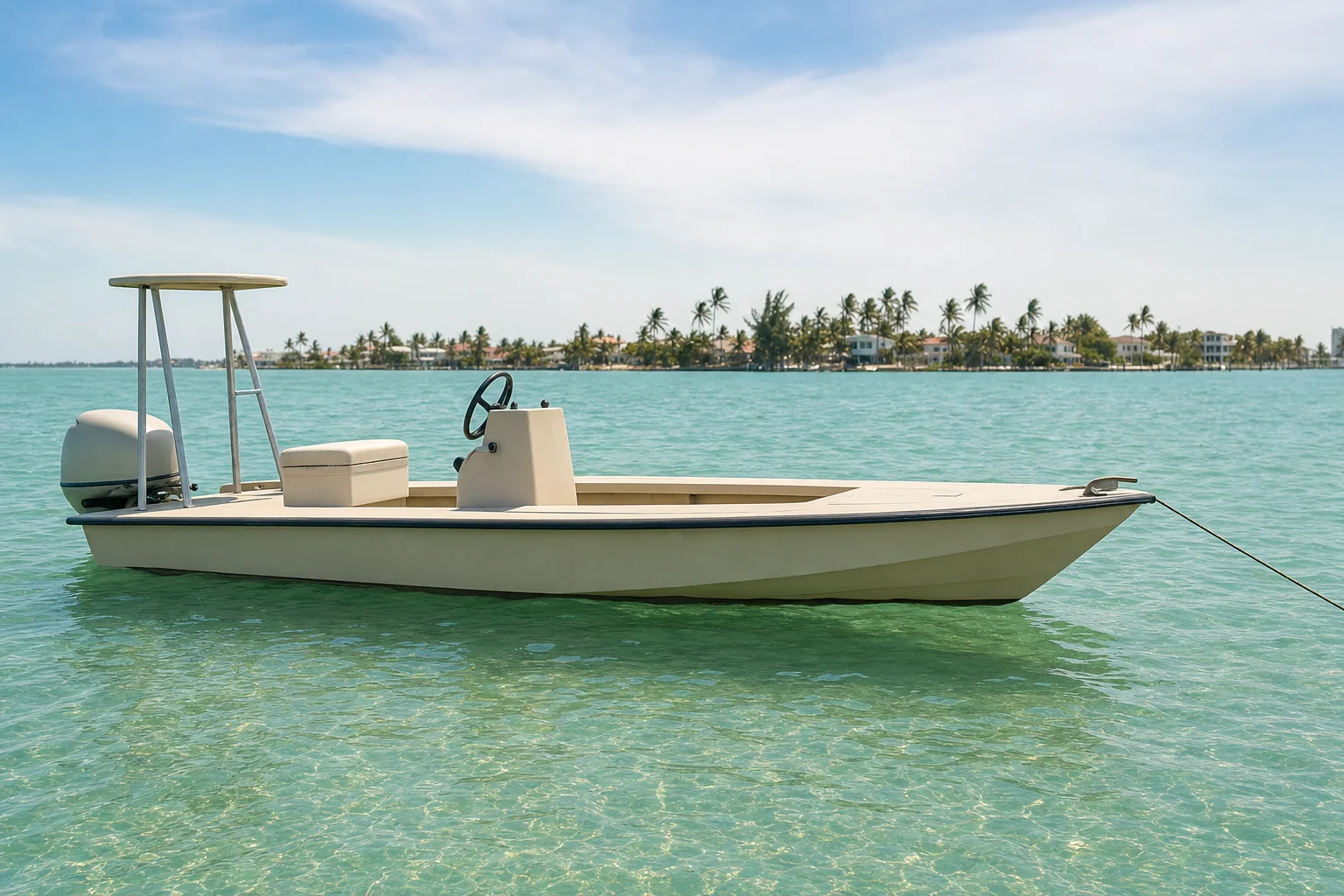
Trailering a boat with a suspect transmission risks finishing off a unit that might otherwise be repairable, and Miami traffic makes a haul to a boatyard a half-day project on its own. A mobile technician brings the tools and parts to your location, whether that is a slip at Dinner Key, a lift at a Brickell marina, or a driveway in Kendall. Work gets done faster, you avoid towing fees, and you can watch the repair happen rather than dropping the boat off and waiting for a callback. For inboard boats especially, keeping the drivetrain service on-site means the technician can test the repair under real conditions before leaving.
Related Guides
Previous: impeller replacement
Frequently Asked Questions
How do I know if my boat needs transmission repair or just a cable adjustment?
A cable adjustment is the first thing a technician checks because it is quick and free to correct. If shifting is still rough or the boat slips after the cable is set correctly, the problem is inside the transmission. A pressure test done on-site will confirm which situation you are dealing with.
How long does a marine transmission repair typically take?
A seal replacement or cable service can be completed in two to three hours at your location. A clutch pack replacement or a full rebuild takes longer and may require the unit to be removed and returned, usually within one to two days depending on parts availability.
What transmission fluid should I use in my inboard?
It depends on the brand and model of your transmission. ZF units typically call for Dexron ATF, while Velvet Drive units often specify Type F. Using the wrong fluid accelerates wear, so always confirm the spec in your owner's manual or ask the technician before topping off.
Can saltwater contamination destroy a marine transmission?
Yes. If water enters the transmission housing through a failed seal, it mixes with the fluid and causes rapid corrosion of internal components. If you suspect water intrusion, stop operating the boat and have the unit inspected before the damage spreads.
Is it worth rebuilding an old marine transmission or should I replace it?
A rebuild is usually the better value if the case is intact and the unit is a common brand with available parts. Replacement makes more sense when the housing is cracked, the unit is obsolete, or the cost of parts approaches the price of a quality remanufactured unit.
Does transmission repair fall under inboard boat repair services?
Yes. The transmission is a core part of the inboard drivetrain, and any shop or mobile technician that handles inboard boat repair should be comfortable diagnosing and servicing it. You can learn more about the full range of inboard services we offer at our inboard boat repair page.