
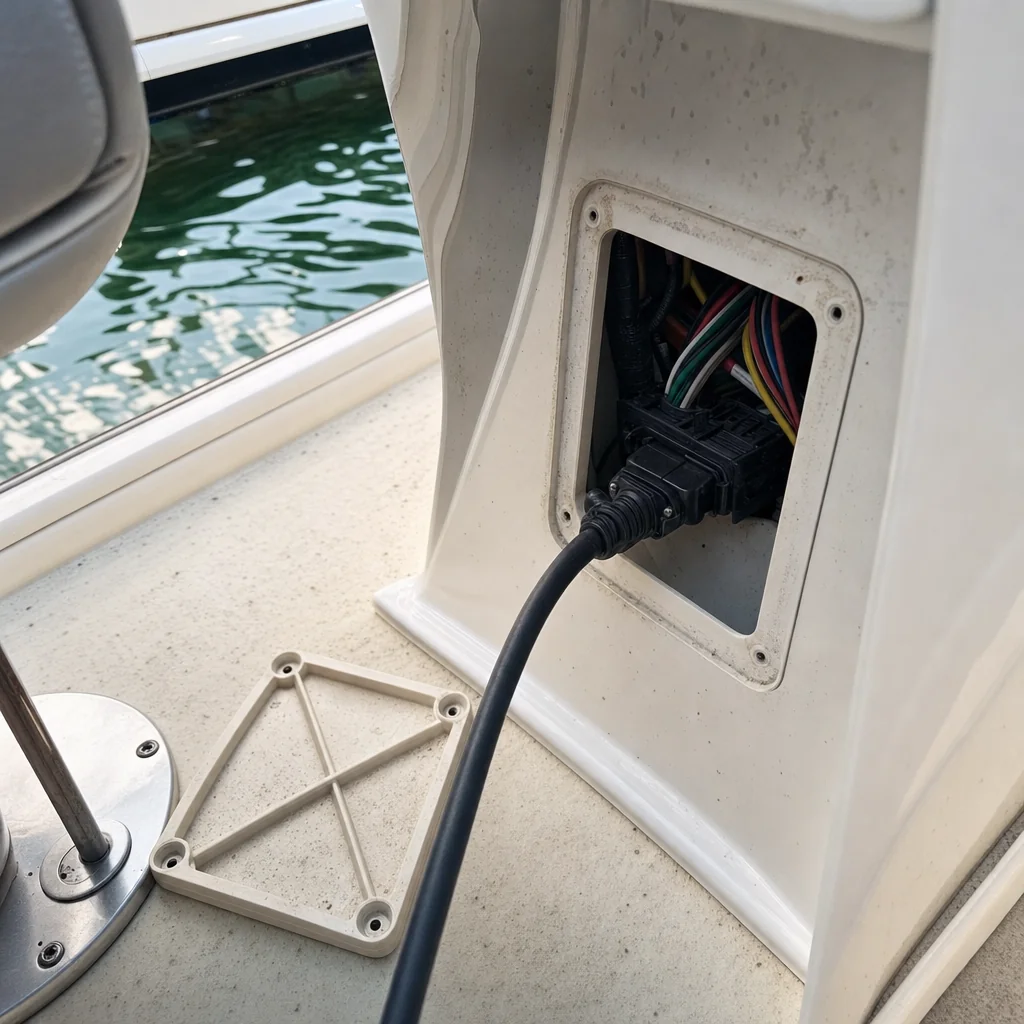
Electronics Installation Miami, FL
Professional electronics installation on your boat means every chart plotter, VHF radio, fish finder, and stereo system is wired correctly, mounted securely, and integrated with your vessel's existing electrical system. Getting this right the first time prevents corrosion, blown fuses, and dangerous shorts in Miami's demanding saltwater environment. Our mobile technicians come to your marina or dock and handle the full job on the water, so your boat stays in the water. Learn more about Boat Electrical Repair.
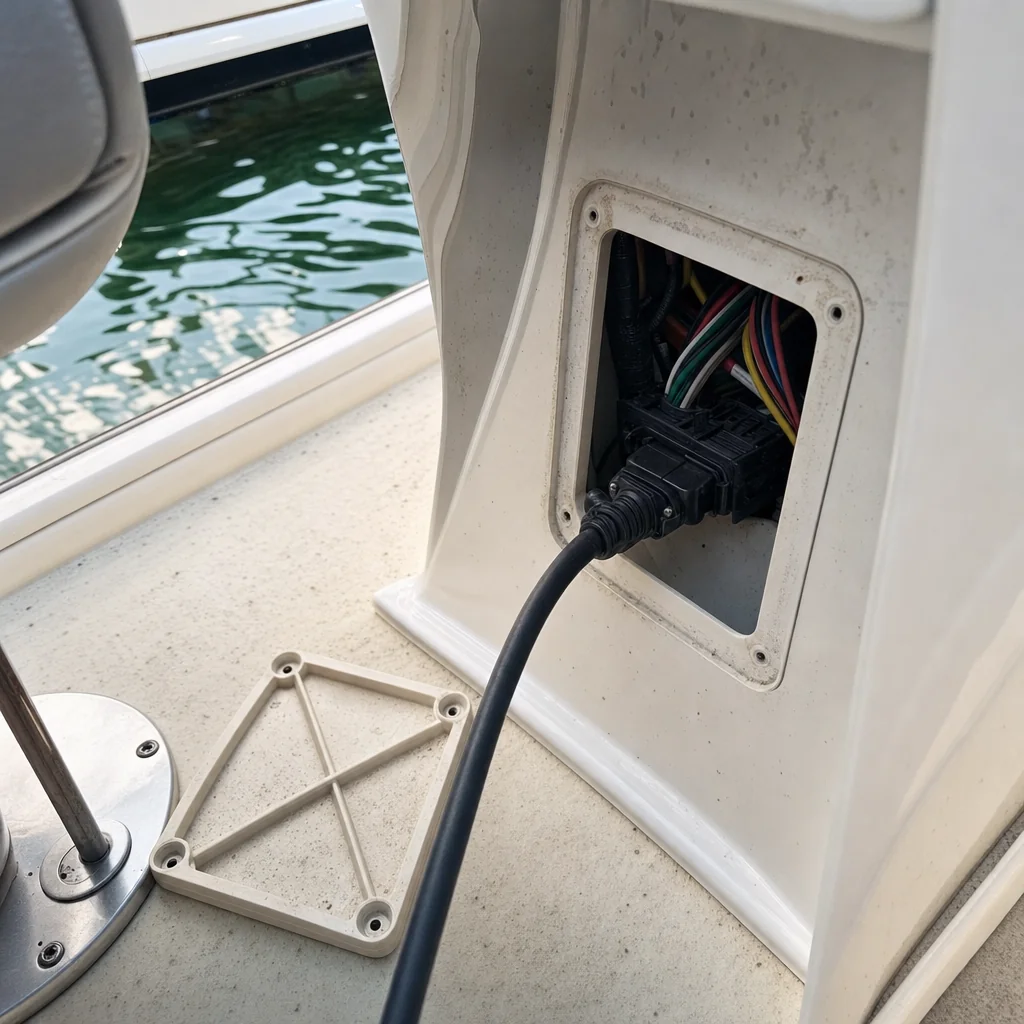
Why Proper Marine Electronics Installation Matters in Miami
Miami's heat, humidity, and salt air are harder on marine electronics than almost any other environment in the country. A loose ground, undersized wire, or unsealed connection that might last years in a freshwater lake can fail within a season here. Professional installation means using tinned marine-grade wire, heat-shrink connectors, and proper fuse protection at every circuit so your investment actually holds up. It also means your electronics talk to each other correctly — NMEA 2000 networks, GPS antennas, and transducers all placed and configured for accurate, reliable performance.
What Our Electronics Installation Service Covers
We install the full range of electronics found on recreational and light commercial vessels. That includes multifunction displays and chart plotters, VHF and SSB radios, AIS transponders, depth sounders and fish finders, radar systems, autopilot heads and drive units, stereo and entertainment systems, and satellite communication devices. We also handle the supporting work that makes everything function properly: antenna mounting and cable runs, transducer installation through-hull or transom-mount, NMEA 2000 and NMEA 0183 network setup, and power distribution from your battery bank to each new device.
Before any wire is run, we assess your current electrical panel and battery capacity to confirm the system can handle the added load. If your panel is already near capacity or your wiring is aging, we will tell you upfront rather than let you discover the problem after the job is done.
- Chart plotters and multifunction displays
- VHF radios and AIS transponders
- Depth sounders, fish finders, and transducers
- Radar and autopilot systems
- Marine stereo and entertainment systems
- Antenna installation and cable management
Factors That Affect Electronics Installation Cost
Several variables determine how long a job takes and what it costs — understanding them helps you plan your project realistically.
Number of devices:
Each additional unit adds wiring, fusing, and configuration time. Bundling multiple installs in one visit is almost always more cost-effective than separate trips.
Cable run length:
Larger boats require longer wire runs from the helm to the battery bank and to transducers or antennas, which increases both material and labor.
Network complexity:
A single standalone unit is straightforward. Integrating multiple devices on a shared NMEA 2000 backbone with shared GPS and depth data takes additional setup and testing time.
Existing wiring condition:
If we find corroded terminals, undersized wire, or an overloaded panel during the job, correcting those issues before installation protects your new equipment and your boat.
Mounting location:
Flush-mounting a display in a fiberglass dash or routing cables through a finished interior takes more time than surface-mounting on an open helm.
Transducer type:
Transom-mount transducers are quick to install. In-hull or through-hull transducers require more preparation and, for through-hull, a proper seacock fitting.
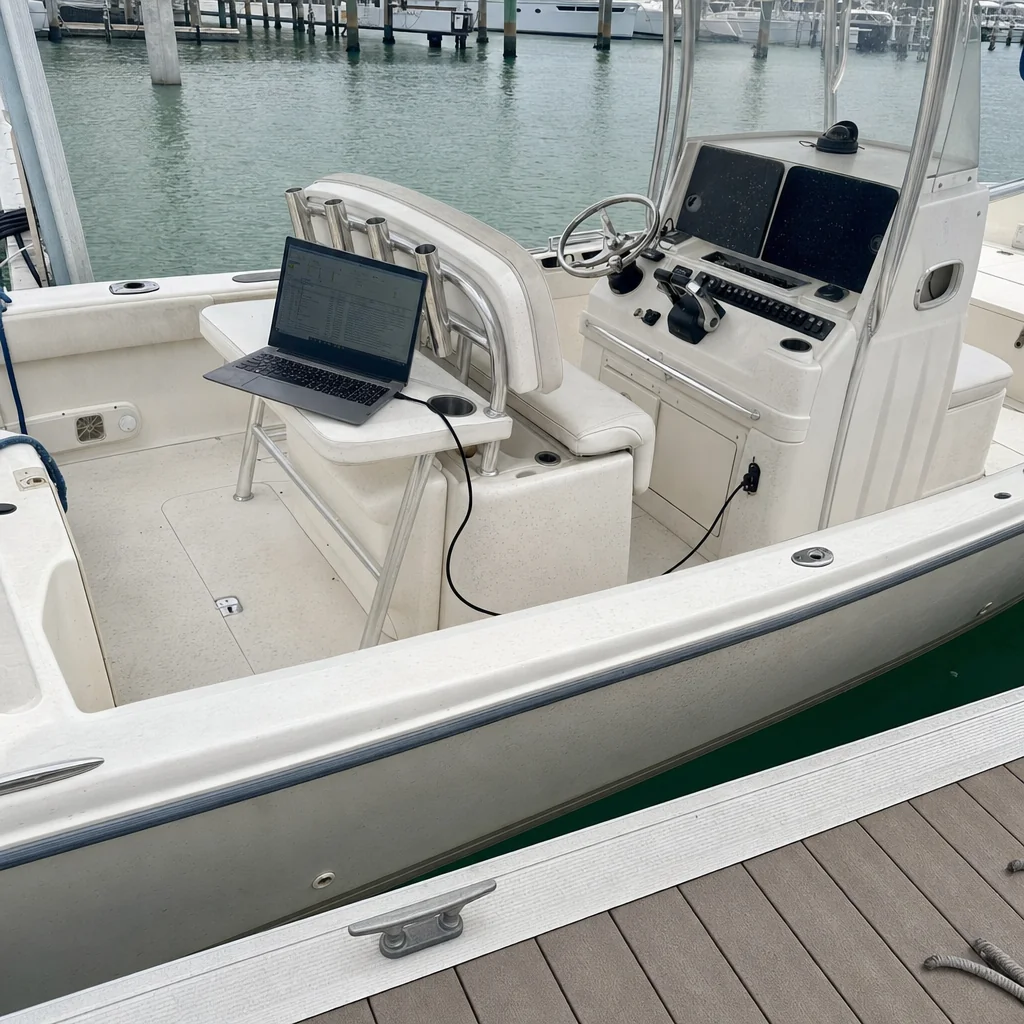
Mobile Service Means No Haul-Out Required
Because we work from a fully equipped mobile unit, we come to your slip at Dinner Key, Bayfront Park, Miami Beach Marina, or anywhere else your boat is docked. You avoid the cost and hassle of hauling the vessel to a boatyard just to have a chart plotter installed. We carry the tools, test equipment, and common hardware needed for most jobs, and we source any specialty parts before the appointment so the work gets done in a single visit whenever possible. When the job is finished, we test every device underway or at the dock before we leave.
Frequently Asked Questions
Can you install electronics on any type of boat?
We work on most recreational and light commercial vessels including center consoles, express cruisers, sportfishers, sailboats, and pontoons. If you have a specialty vessel or an unusual helm configuration, describe it when you call and we can confirm before scheduling.
Do I need to supply the electronics or will you source them?
Either way works. Many owners purchase their own units from a retailer and hire us for the installation, which is a common and cost-effective approach. We can also source and supply equipment if you prefer a single point of contact for the whole project.
How long does a typical electronics installation take?
A single device like a VHF radio or a standalone fish finder usually takes one to two hours. A full helm upgrade with a multifunction display, radar, autopilot, and NMEA 2000 network can take a full day or more. We give you a time estimate when you describe the job.
Will you configure and test the devices after installation?
Yes. Configuration and functional testing are part of every installation. We verify that the unit powers on correctly, that all connected sensors are reading accurately, and that network devices are communicating with each other before we consider the job complete.
Is marine electronics installation different from regular electrical work?
Marine wiring standards are stricter than automotive or residential standards because of the fire and shock risks in an enclosed, water-surrounded environment. Proper marine installation uses tinned wire, ignition-protected components where required, and ABYC-compliant fusing and grounding practices that a general electrician may not be familiar with.
How does this service connect to boat electrical repair?
Electronics installation is one part of a broader boat electrical repair service that covers everything from diagnosing dead circuits to replacing corroded wiring and upgrading battery banks. If we find underlying electrical issues during an installation, we can address them in the same visit rather than leaving problems that will affect your new equipment.